
Black Forest Wildlife: Discover Red Deer, Lynx and Birds
Experience the fascinating wildlife of the Black Forest: discover red deer, lynx, wild boar, birds, amphibians and insects in their natural habitat.
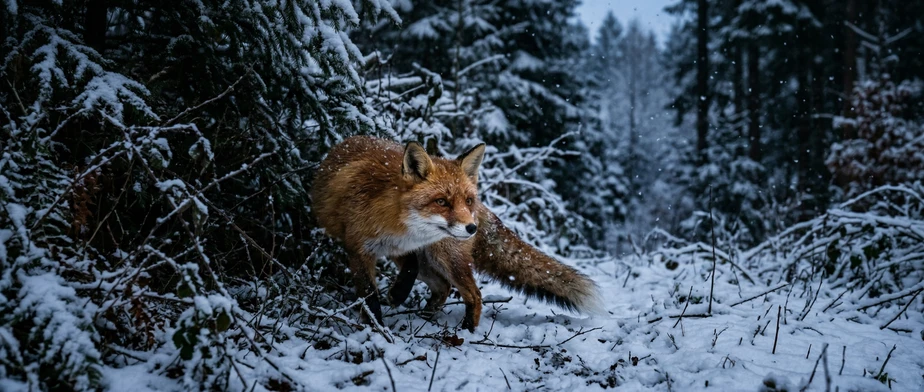
The Black Forest, a natural paradise in the heart of Germany, is known not only for its picturesque landscapes and deep forests but also for its rich wildlife. The largely untouched woodlands offer a unique habitat for a wide variety of animals and are home to impressive biodiversity. Here you can follow the tracks of shy wild animals and discover the fascinating inhabitants of the forest.
A holiday in the Black Forest gives nature lovers the chance to experience wildlife up close. This article introduces some of the characteristic and remarkable species that live in the region. You will learn more about their way of life, their role in the ecosystem and how you can help protect and preserve this valuable habitat.
Mammals in the Black Forest
The Black Forest is home to an impressive variety of mammals that live in dense forests and open landscapes. From majestic red deer and elusive lynx to charming squirrels and clever foxes, the region offers many opportunities for nature enthusiasts and photographers to observe and appreciate these animals in their natural surroundings.
Red deer
The majestic red deer is one of the largest native wild animals in the Black Forest and a powerful sight for any nature lover. Its preferred habitat includes dense forests and open grasslands, where it rests during the day and comes out to graze at dusk. The characteristic roaring of the stags during the rutting season in autumn gives the forest a very special atmosphere and is an experience not to be missed.
If you want to see red deer in the wild, it is best to head for quieter, less frequented areas. With a bit of luck, you may discover these impressive animals at remote viewpoints in their natural habitat. Calm, patience and suitable camera equipment are the keys to success.
Wild boar
Wild boar are widespread throughout the Black Forest and contribute to the ecosystem in many ways. As omnivores they root through the forest floor in search of food, which promotes the decomposition of plant material and spreads seeds. This activity loosens the soil and supports the regeneration of vegetation. Despite their sometimes destructive appearance, wild boar are therefore important helpers in maintaining a healthy forest ecosystem.
Encounters between wild boar and people should be approached with care. In most cases these animals are shy and avoid contact with humans. Hikers and nature lovers should still keep a respectful distance, especially when they see a sow with piglets, as mothers can be very protective. If you meet wild boar, stay calm, move away slowly and leave them an escape route to prevent conflict.
Lynx
After centuries of absence, the elegant lynx is slowly returning to the Black Forest thanks to reintroduction projects and conservation measures. The lynx is a shy loner that lives in dense forests and rocky areas. As a skilled hunter, it feeds mainly on roe deer and red deer and helps regulate game populations, which is an important factor in the ecosystem.
The chances of seeing a lynx in the wild are very small, as these animals are extremely elusive and avoid areas with human activity. Well-prepared wildlife watchers who know the lynx’s preferred habitats and are willing to invest time and patience may still be rewarded with a fleeting glimpse of this fascinating predator.
Red fox
The red fox is a highly adaptable survivor and can be found throughout the Black Forest. It lives in dense woodland as well as in open terrain. With its striking red coat and bushy tail, the red fox is an eye-catching animal that is both hunter and prey. It feeds on a wide range of food such as rodents, birds, insects and berries, and in doing so plays an important role in the ecosystem.
Foxes are most active at dusk and during the night, but can sometimes be seen during the day. For the best chance of spotting a red fox in the Black Forest, head out in the early morning or late evening and keep your eyes open. Photographers and nature lovers should stay quiet and patient to observe the animals’ behaviour from a respectful distance.
Birds of the Black Forest
The Black Forest is also a haven for birdwatchers. Forests, meadows and wetlands are home to a remarkable variety of species. Rare birds such as the threatened western capercaillie live here, alongside distinctive species like the black woodpecker and a colourful array of songbirds. The region offers many chances to explore the world of birds and listen to their calls and songs.
Western capercaillie
The western capercaillie is an impressive and imposing bird and one of the Black Forest’s most threatened species. Habitat loss and human disturbance have caused numbers to decline sharply over recent decades. To protect the capercaillie, the region has introduced various conservation measures, including the restoration of suitable habitat, the designation of protected areas and educational initiatives.
Anyone hoping to watch a capercaillie in the wild should follow a few basic rules. The birds must not be disturbed, and you should always keep an appropriate distance so their protection and natural behaviour are not affected.
Black woodpecker
The striking black woodpecker is a charismatic resident of the Black Forest, easily recognised by its deep black plumage and loud drumming on tree trunks. It prefers older, extensive deciduous and mixed forests, where it mainly feeds on ants and other insects that it chisels out of the wood with its powerful beak.
As a kind of “forest doctor”, the black woodpecker plays an important role in the ecosystem by reducing harmful insects and parasites and thus supporting tree health. Its nesting cavities in tree trunks also provide vital breeding and roosting sites for many other species that benefit from its work. When hiking in the Black Forest, bird lovers should listen for the recognisable drumming and, with a little luck, may spot this impressive “forest doctor”.
Tawny owl
The tawny owl is a mysterious, fascinating night-time hunter that lives in the Black Forest and draws attention with its haunting calls. As a silent and agile flyer, it patrols the forest after dark in search of prey, mainly small mammals such as mice and also birds. Its large, expressive eyes allow it to navigate and hunt even in low light.
Nature enthusiasts can often hear the calls of tawny owls in the evening and night hours. A walk through the forest after dark offers a chance to experience this nocturnal bird in its natural habitat and to discover the wider world of night-active animals. It is important to move quietly and respectfully to avoid disturbing the owl and other nocturnal wildlife.
Insects and other small creatures
Insects and other small creatures are often overlooked, yet they are a fascinating and indispensable part of Black Forest biodiversity. Colourful butterflies, busy ants, spiders and many different beetles all play a vital role in pollination, natural pest control and soil fertility.
Butterflies
Butterflies are the colourful jewels of the Black Forest and enrich the landscape with their variety and beauty. The region is home to many species, including familiar butterflies such as the peacock butterfly, red admiral and swallowtail, as well as rarer species like the marbled white and the wood tiger moth. During the warmer months, these delicate fliers dance over meadows, through forests and around gardens.
Butterflies are important pollinators and help maintain plant diversity. They also serve as a key food source for other animals such as birds and bats. A walk through the flowering landscapes of the Black Forest is an ideal way to discover their world and gain a better understanding of their role in the ecosystem.
Wild bees
Wild bees are tireless pollinators in the Black Forest and essential to the ecosystem. A great many species live here, including the familiar red mason bee and leafcutter bees, which use a wide range of habitats. Flower-rich meadows and diverse woodland edges offer countless opportunities to watch these industrious insects at work.
The contribution of wild bees is immense. They pollinate many wild and cultivated plants, help preserve plant diversity and support the production of many food crops. To raise awareness of their importance and safeguard their habitats, it helps to provide flowering plants, dead wood and nesting sites and to avoid using pesticides.
Salamanders and frogs
The amphibians of the Black Forest include a variety of salamanders and frogs that thrive in the region’s moist, water-rich habitats. The fire salamander with its striking black and yellow pattern is particularly well known. Ponds and pools are home to several frog species such as the common frog and moor frog.
Amphibians play an important role in the forest ecosystem. They are prey for other animals, while themselves feeding on insects and other small creatures. Anyone wanting to explore this world should look carefully along shady, damp forest areas and the banks of streams and ponds. Take care not to disturb the sensitive habitats of these animals.
Responsible behaviour in the forest
Responsible behaviour is essential to preserve the natural treasures of the Black Forest and to ensure a balanced relationship between people and nature. As a guest in a holiday apartment or holiday home in the region, you can experience the local flora and fauna first-hand and at the same time help protect this unique landscape. Stay on marked paths, avoid disturbing plants and animals and dispose of waste properly.
The Black Forest offers many ways to enjoy nature respectfully and support sustainable leisure activities. Join guided hikes where local experts share insights into the region’s wildlife and plant life, or take part in conservation projects to actively contribute to the preservation of this special area.
More articles
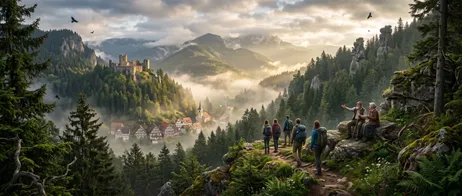
Mythical Mountains and Legends: Stories from the Black Forest
The Black Forest enchants with mythical mountains, mystical places, ancient legends, historic ruins and legendary hiking trails.
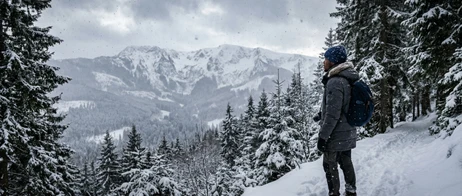
Feldberg: Experience Peaks, Activities and Nature in the Black Forest
Discover the Feldberg in the Black Forest: hiking, winter activities, wildlife and culinary highlights. Ideal for nature lovers and adventure seekers.
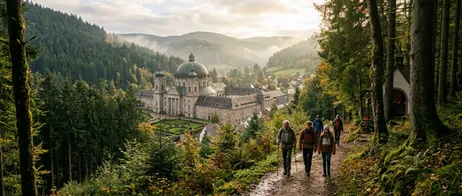
Discover Religion and Pilgrimage in the Black Forest
The Black Forest captivates visitors with pilgrimage sites, monasteries, pilgrimage routes and spiritual cultural landmarks full of history and contemplation.
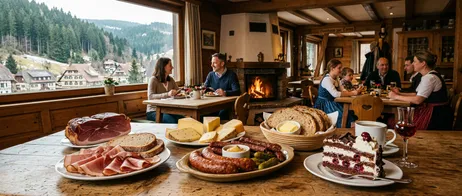
Enjoy Culinary Specialties from the Black Forest
The Black Forest delights visitors with ham, cherry cake, regional dishes and traditional specialties full of flavor and a sense of home.

Discover Geology and Fossils in the Black Forest
The Black Forest captivates visitors with geoparks, fossils, rock formations and fascinating insights into the region’s geological history.
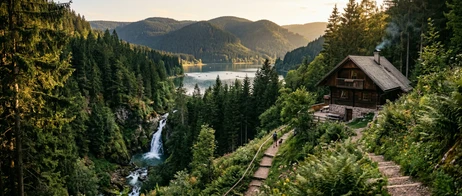
Holiday apartments in the Black Forest: Sunny spots and lakes
Discover sunny holiday spots in the Black Forest. Holiday apartments at Lake Titisee, Lake Schluchsee and Lake Mummelsee offer nature, relaxation and hidden insider tips.
